Uganda: The Pearl of Africa and a Haven for Primate Adventures

Uganda is often called the “Pearl of Africa,” a name that perfectly reflects its extraordinary biodiversity, dramatic landscapes, and welcoming people. Located in the heart of East Africa, the country offers one of the most diverse travel experiences on the continent, where lush tropical forests, vast savannah plains, crater lakes, rivers, and snow-capped mountains exist within relatively short distances. This remarkable variety makes Uganda an ideal destination for travelers seeking both adventure and authenticity.

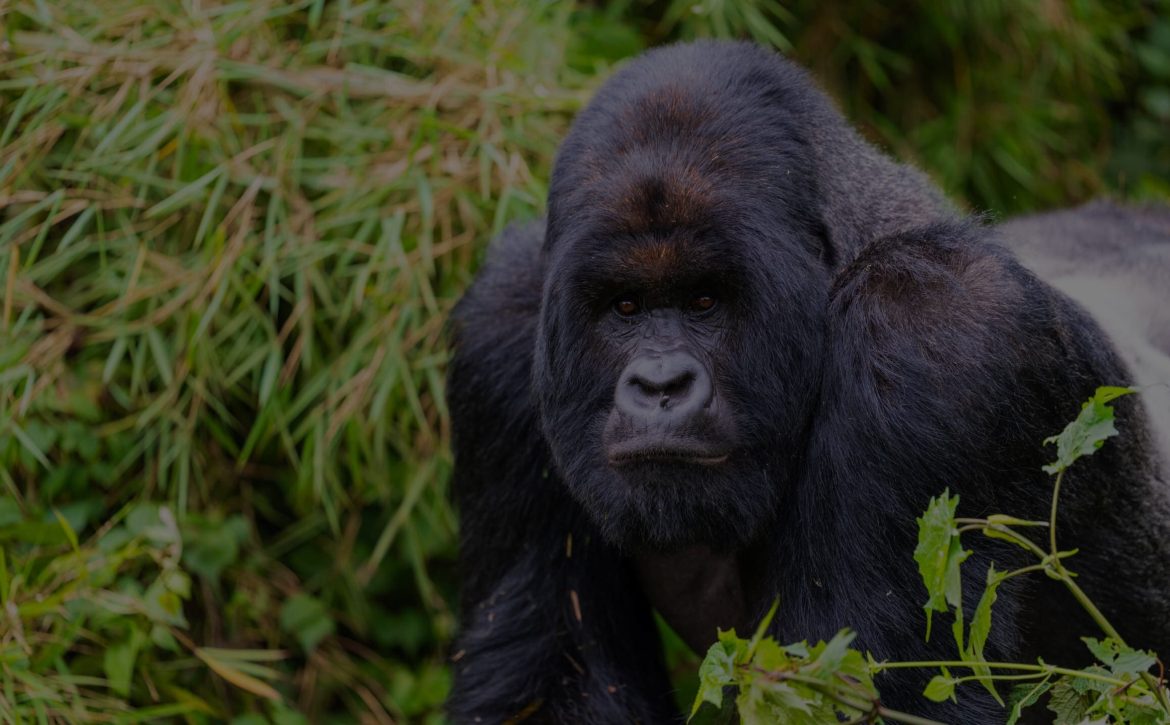
One of Uganda’s most iconic experiences is gorilla trekking in Bwindi Impenetrable National Park, home to nearly half of the world’s remaining mountain gorillas. Trekking through dense rainforest terrain alongside experienced guides is both physically rewarding and emotionally powerful. When visitors finally encounter a gorilla family, they witness intimate moments of interaction — playful juveniles, protective silverbacks, and nurturing mothers — creating a rare connection between humans and wildlife that is truly unforgettable.

Beyond gorillas, Uganda is also considered one of the best primate destinations in Africa. Kibale National Park is famous for chimpanzee trekking, offering visitors the chance to observe our closest relatives in the wild, along with several other monkey species. These forest experiences provide a fascinating contrast to traditional savannah safaris.

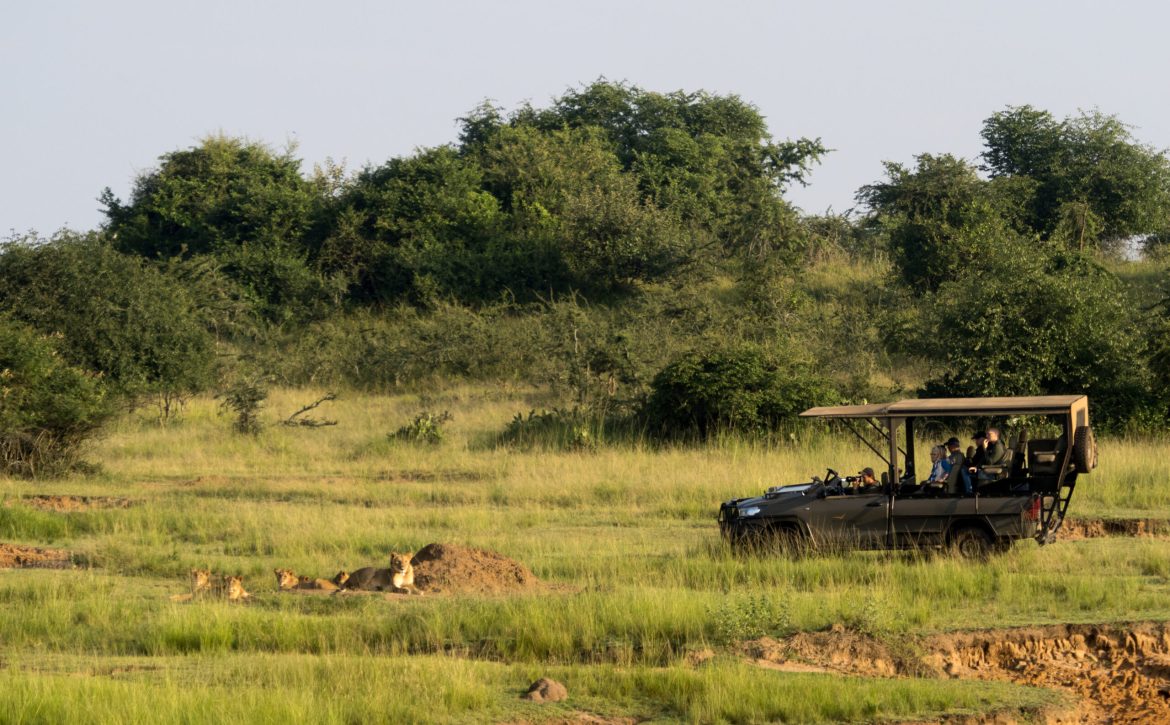
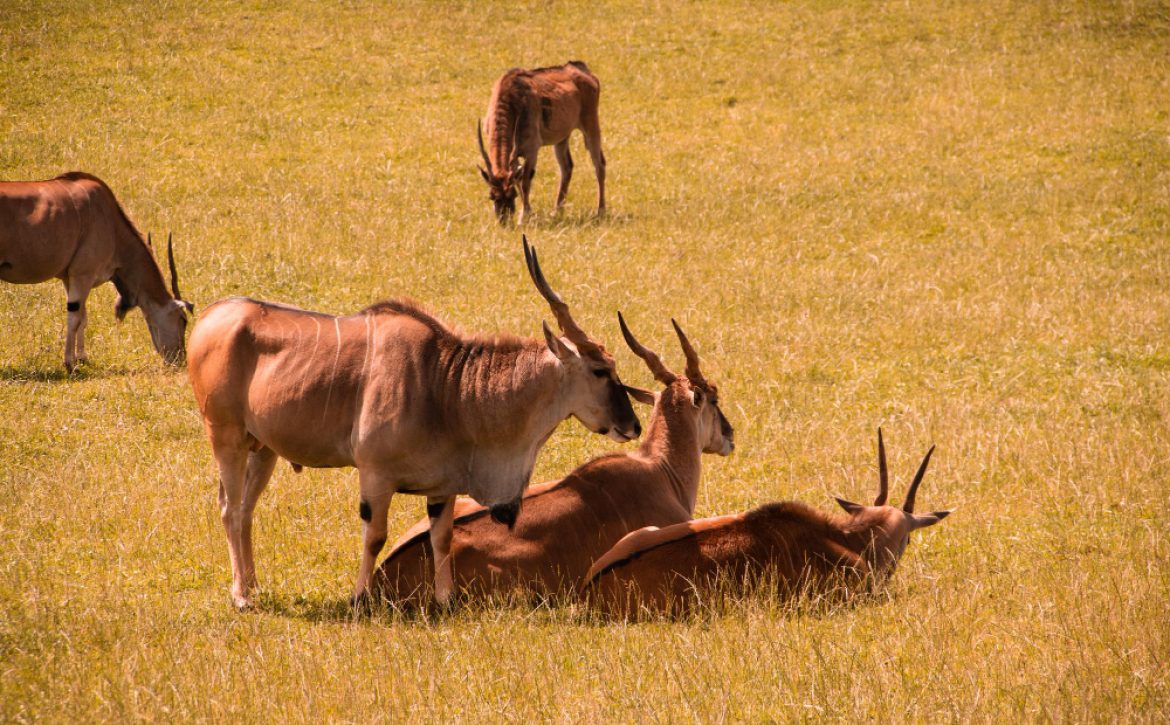
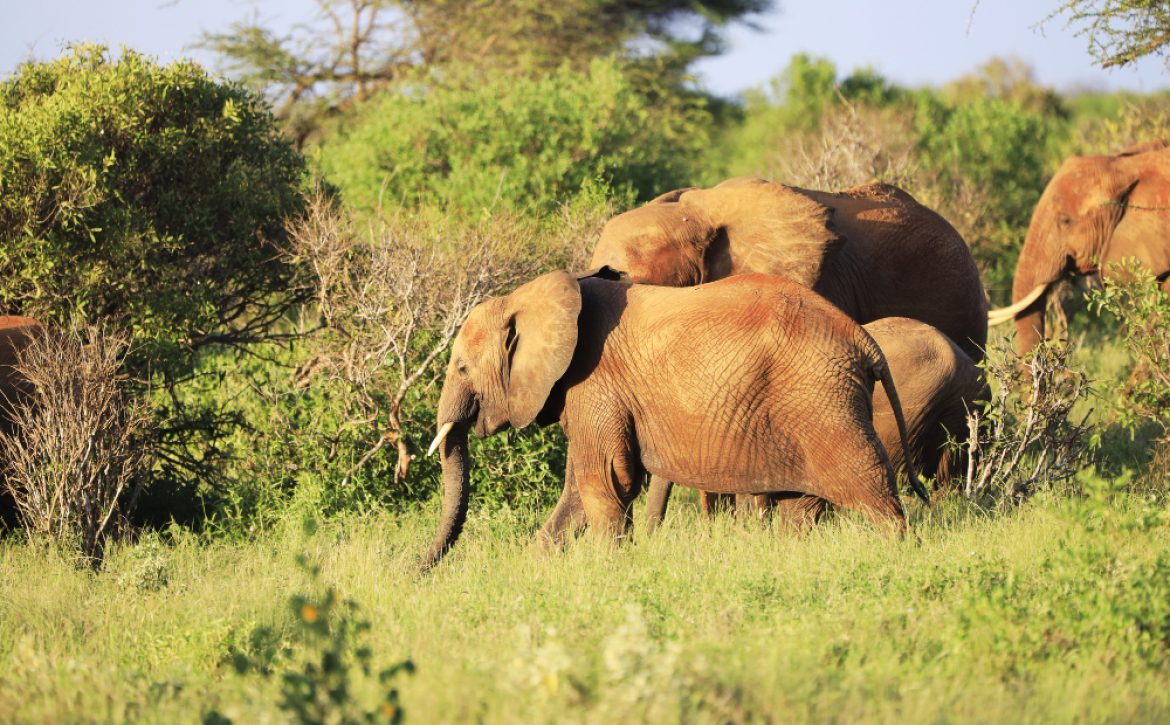
Uganda also offers exceptional wildlife viewing in Queen Elizabeth National Park, one of the country’s most popular safari destinations. Here, travelers can spot elephants, buffalo, antelope, hippos, crocodiles, and the famous tree-climbing lions of the Ishasha sector. Boat cruises along the Kazinga Channel provide close-up views of wildlife gathering along the water’s edge, making it one of the most productive wildlife viewing experiences in East Africa.

For adventure lovers, Murchison Falls National Park delivers breathtaking scenery and thrilling activities. The Nile River forces itself through a narrow gorge before plunging dramatically over the falls, creating one of the most powerful waterfalls in the world. Visitors can enjoy boat safaris to the base of the falls, game drives across the savannah, and even hiking to the top viewpoint for spectacular panoramic views.

Uganda’s landscapes extend beyond wildlife parks. The snow-capped peaks of the Rwenzori Mountains — often called the “Mountains of the Moon” — provide challenging trekking opportunities for adventurous travelers. Meanwhile, the serene beauty of Lake Bunyonyi, dotted with small islands and surrounded by terraced hills, offers a peaceful retreat perfect for relaxation after gorilla trekking.

Cultural experiences are another important aspect of travel in Uganda. Visitors can engage with local communities, learn traditional farming practices, enjoy cultural dances, and explore vibrant markets. These experiences provide meaningful connections with local people and help support community-based tourism initiatives that benefit rural livelihoods.

One of Uganda’s greatest strengths is its authenticity. Compared to some other safari destinations, Uganda receives fewer tourists, allowing for more intimate wildlife encounters and a deeper sense of exploration. This makes the country particularly appealing to travelers seeking unique experiences away from crowded destinations.

Ultimately, Uganda offers a powerful combination of wildlife, landscapes, culture, and adventure. Whether trekking through rainforests to meet gorillas, cruising along the Nile, spotting lions on the savannah, or relaxing beside scenic lakes, visitors leave with unforgettable memories and a profound appreciation for one of Africa’s most diverse and beautiful countries.

Read More

Rwanda: The Land of a Thousand Hills and Extraordinary Wildlife Encounters

Rwanda has rapidly emerged as one of Africa’s most inspiring and sought-after travel destinations, offering a rare combination of pristine nature, successful wildlife conservation, cultural richness, and modern comfort. Known as the “Land of a Thousand Hills,” the country’s rolling green landscapes provide breathtaking scenery at every turn, from terraced hillsides and volcanic peaks to tranquil lakes and dense tropical forests. This natural beauty, combined with Rwanda’s strong commitment to sustainability and conservation, has positioned the country as a leading destination for responsible tourism in Africa.

The crown jewel of Rwanda tourism is gorilla trekking in Volcanoes National Park, where visitors hike through mist-covered forests to encounter endangered mountain gorillas in their natural habitat. Guided by experienced trackers and conservation experts, trekkers follow forest trails until they reach a gorilla family, where they are allowed to spend a magical hour observing social interactions, playful behavior, and nurturing family bonds. This once-in-a-lifetime encounter is often described as deeply emotional and transformative, creating a strong connection between travelers and wildlife conservation efforts.

Beyond gorillas, Rwanda offers a wide range of wildlife and nature experiences. In Akagera National Park, visitors can enjoy classic savannah safaris featuring the Big Five — lions, elephants, buffalo, leopards, and rhinos — along with boat safaris on Lake Ihema that provide opportunities to see hippos, crocodiles, and diverse birdlife. Meanwhile, Nyungwe National Park offers one of Africa’s oldest rainforests, home to chimpanzees, colobus monkeys, and an extraordinary canopy walkway suspended high above the forest floor, providing breathtaking views and thrilling adventure.

Rwanda’s cultural experiences are equally compelling. The capital city, Kigali, is widely recognized as one of Africa’s cleanest and safest cities, offering modern restaurants, art galleries, coffee experiences, and meaningful historical sites such as the Kigali Genocide Memorial. Visitors can also explore traditional villages, participate in cultural dance performances, and learn about Rwanda’s heritage through community tourism initiatives that directly support local livelihoods.

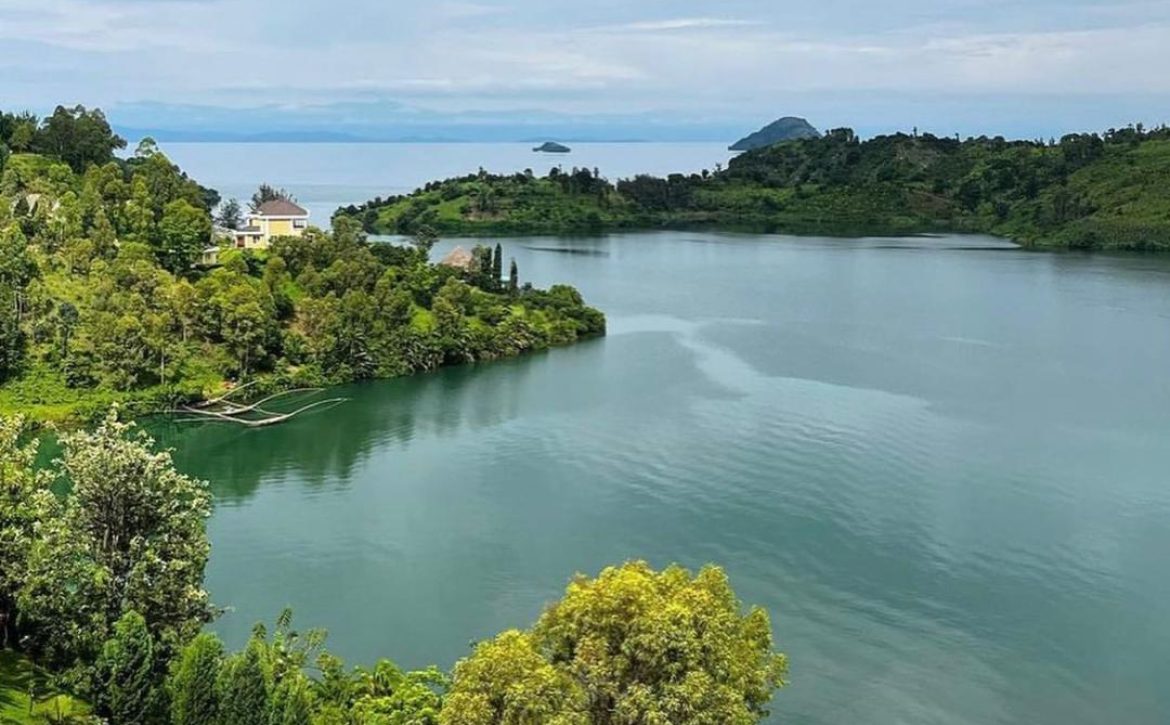
For relaxation, the shores of Lake Kivu provide a peaceful retreat with sandy beaches, scenic boat rides, kayaking, and charming lakeside towns such as Gisenyi and Kibuye. The lake is one of Africa’s Great Lakes and offers stunning sunsets against a backdrop of surrounding hills, making it an ideal destination to unwind after wildlife adventures.

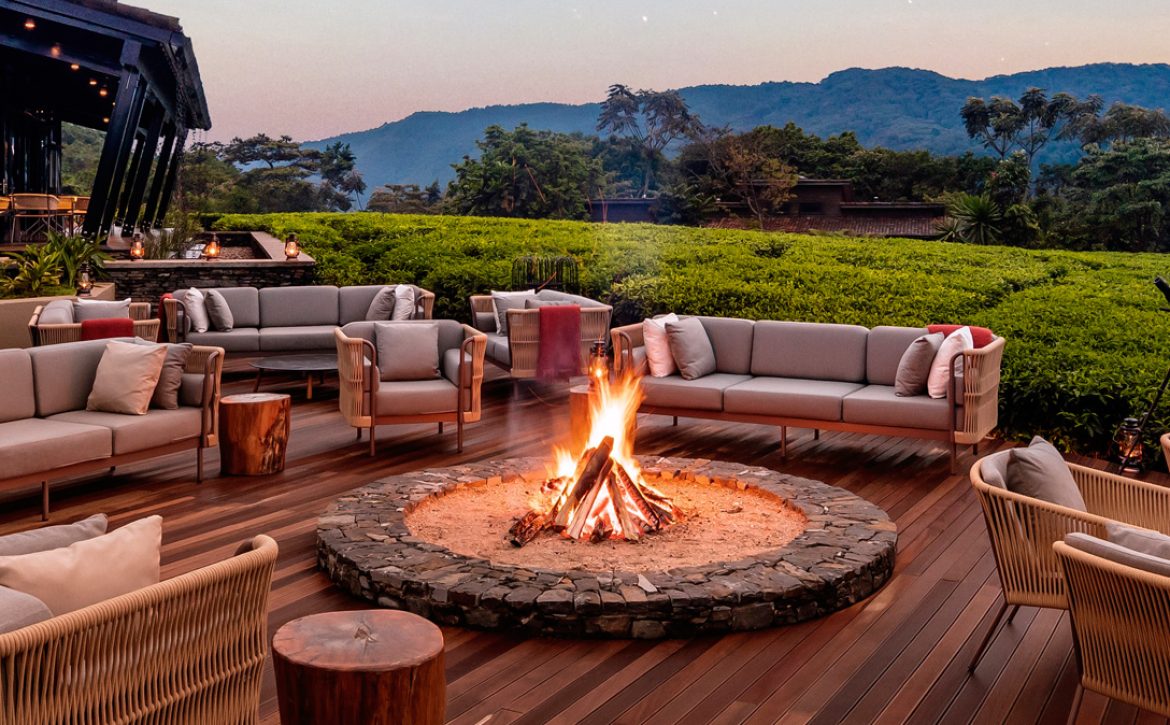
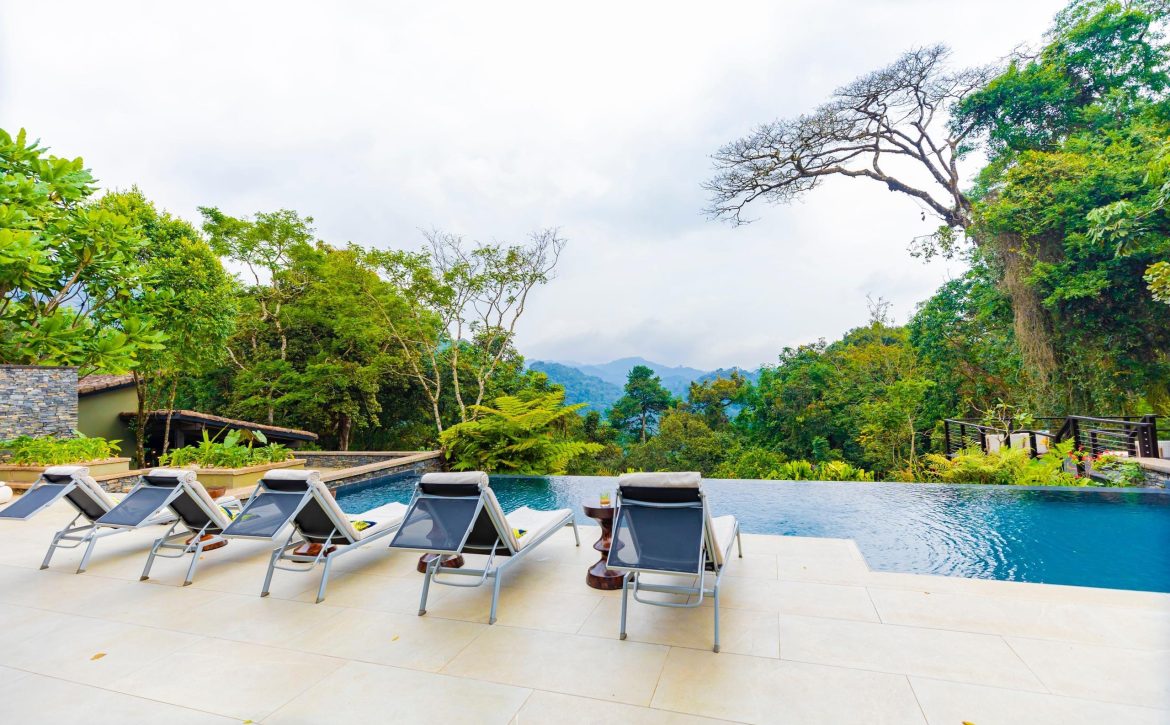
Luxury tourism is another area where Rwanda excels. The country offers high-end lodges and boutique hotels that blend comfort with sustainability, including eco-luxury accommodations near national parks that provide personalized service, gourmet cuisine, and immersive nature experiences. This combination of exclusivity and conservation has made Rwanda particularly attractive to luxury travelers, honeymooners, and high-end safari enthusiasts.

Accessibility also contributes to Rwanda’s growing popularity. With a well-developed road network and a modern international airport in Kigali, travelers can easily reach major attractions within a few hours, allowing for efficient itineraries that combine multiple destinations in a short time frame.

Ultimately, Rwanda offers more than just a vacation — it provides meaningful travel experiences rooted in conservation, culture, and connection. Whether trekking gorillas in volcanic forests, exploring ancient rainforests, enjoying savannah safaris, or relaxing by scenic lakes, visitors leave with unforgettable memories and a deeper appreciation for one of Africa’s most remarkable countries.

Read More